
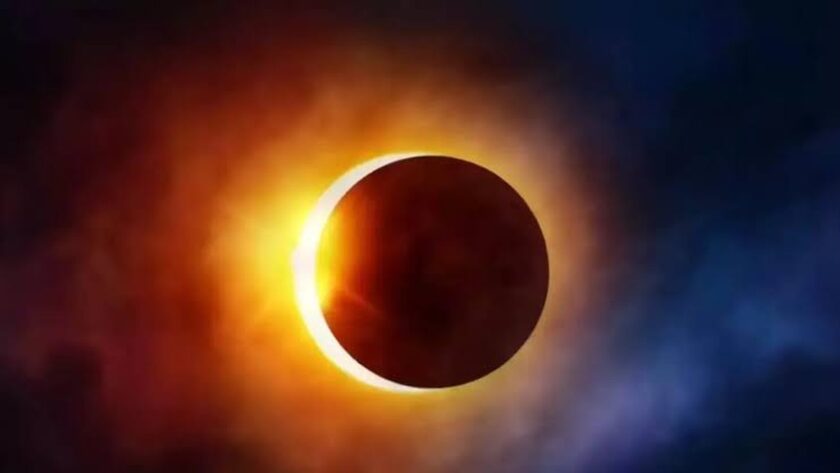
Rare Solar Eclipse of the 21st Century: Anticipation for the Event in August 2027
Astronomers are eagerly waiting for a rare solar eclipse scheduled for August 2, 2027. This event is expected to be the longest total solar eclipse of the 21st century, plunging certain regions into deep darkness for an astonishing 6 minutes and 23 seconds, according to scientific projections.
The eclipse is being described as one of the most significant astronomical events of the century. Enthusiasts and scientists alike have started preparing for this unique phenomenon. On this date, observers will witness the moon completely covering the sun, an occurrence witnessed infrequently in human history.
The Longest Solar Eclipse of the Century
The solar eclipse on August 2, 2027, is anticipated to be a memorable event for generations to come. It has been marked as the longest total solar eclipse of this century, with predictions stating that affected areas will experience total darkness for more than six minutes. During this time, the moon will completely obscure the sun’s corona.
According to experts, such a lengthy total solar eclipse has not been seen since the previous century, and it may take another 100 years before such an extensive event occurs again. This eclipse is expected to transform daylight into twilight, causing temperatures to drop by 5 to 10 degrees Celsius, and possibly altering the direction of winds. For astronomers, it represents a rare opportunity to gain insights into the mysteries of outer space.
Why Will This Eclipse Be So Long?
A solar eclipse occurs due to the alignment of the sun, moon, and Earth. During this alignment, the moon obstructs the sunlight, creating darkness on Earth. On August 2, 2027, the Earth will be at its farthest point from the sun, making the sun appear smaller in the sky. Simultaneously, the moon will be at its closest point to Earth in its orbit, making it look larger. This extraordinary combination will allow the moon to block sunlight for an extended period, resulting in a longer eclipse.
About the Author
Vivek Singh is the Chief Principal Digital Content Producer at a prominent news outlet. With nearly 12 years of experience in journalism, he covers international affairs with a focus on the Middle East, Southeast Asia, and East Asia. He began his digital journey with Amar Ujala in Dehradun and continued through various reputable news organizations before joining his current position.